PAGCOR Licensed Casinos in 2026: What the Licence Means and How to Verify It
If you’ve spent any time looking at online casinos that operate in Asian markets or across international grey zones, you’ve come across the PAGCOR name. It shows up in casino footers, in licensing claims, in operator documentation. For most players outside the Philippines, it raises a straightforward question: what exactly is PAGCOR, does this licence mean anything, and should it affect where I choose to play?
The honest answer is more nuanced than a simple yes or no. PAGCOR is a real government body with genuine regulatory authority. The licences it issues are legitimate. But the practical protections those licences provide to players — particularly international players in markets like Spain or other parts of Europe — depend heavily on which specific PAGCOR licence category an operator holds and what their track record looks like beyond the regulatory paperwork.
This guide works through all of it.

100% first deposit bonus up to £600 + 100 free spins


First deposit bonus 100% up to £500 + 200 Free Spins



Welcome bonus up to 550% + 450 free spins

100% first deposit bonus up to £300 + 150 free spins

First deposit bonus 120% up to £600

100% first deposit bonus up to £500 + 200 free spins
What PAGCOR Is and Where It Comes From
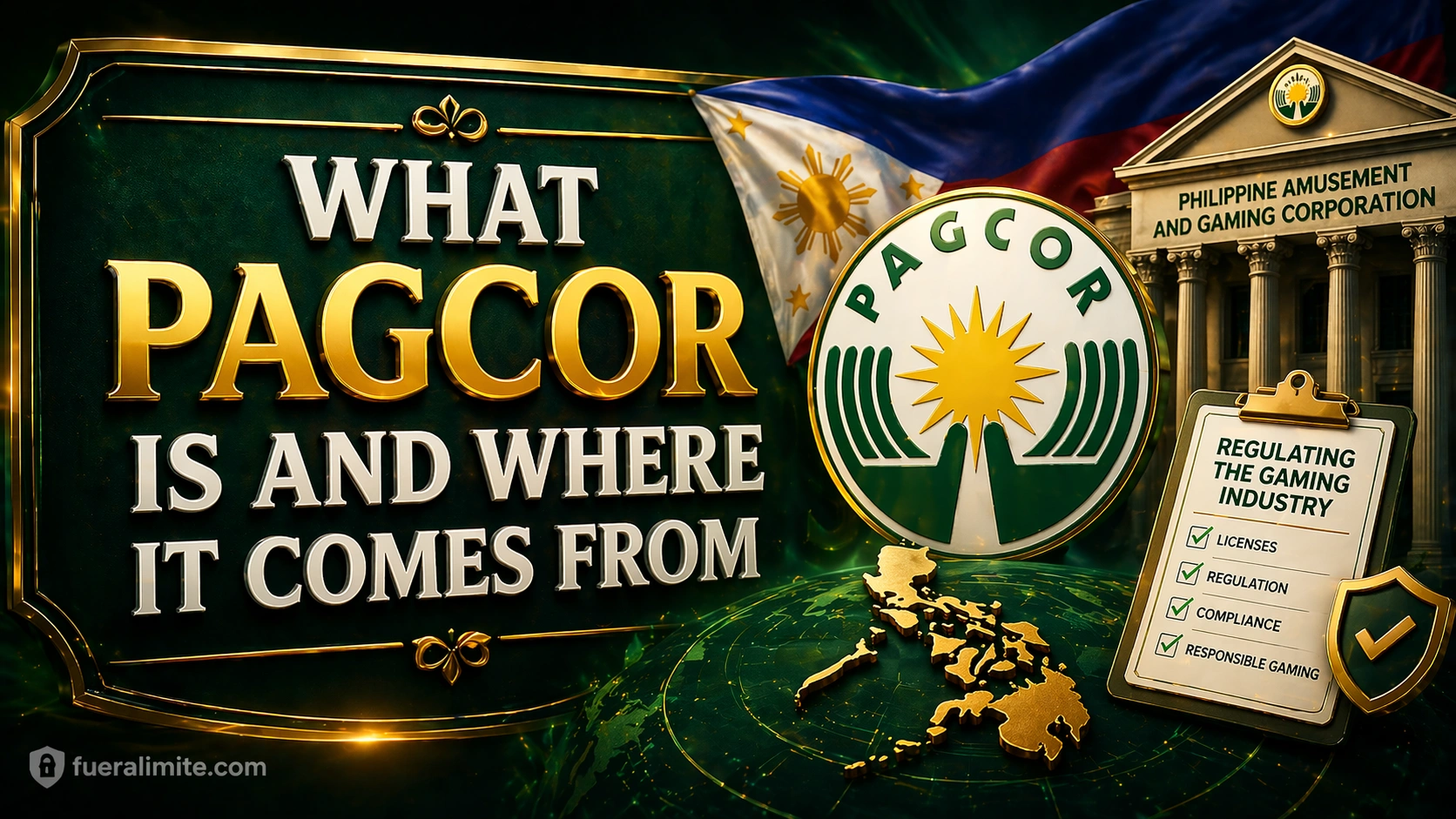
The Philippine Amusement and Gaming Corporation is a government-owned and controlled corporation established in 1976 under President Ferdinand Marcos. Its original mandate was to centralise and regulate all forms of gambling in the Philippines — casinos, gaming clubs, bingo operations — under state supervision, both to control illegal gambling and to generate revenue for the government.
PAGCOR is unusual among gambling regulators globally in that it operates in two distinct roles simultaneously: it both regulates gambling and directly operates casinos itself. The state-owned casino network — Casino Filipino — is run by PAGCOR, which creates a somewhat unusual situation where the regulator is also a market participant. Most mature regulatory frameworks deliberately separate these functions to avoid conflicts of interest, but PAGCOR has operated this dual role since its inception.
The online gaming licensing function — the part most relevant to international players — developed significantly in the 2000s and 2010s as the Philippines positioned itself as a hub for offshore gaming operations. The PAGCOR gaming license for online operators became a framework through which international online casino businesses could obtain regulatory authorisation from a sovereign government, creating a legal basis for operating across global markets.
The PAGCOR Online Gaming Licence: What It Covers
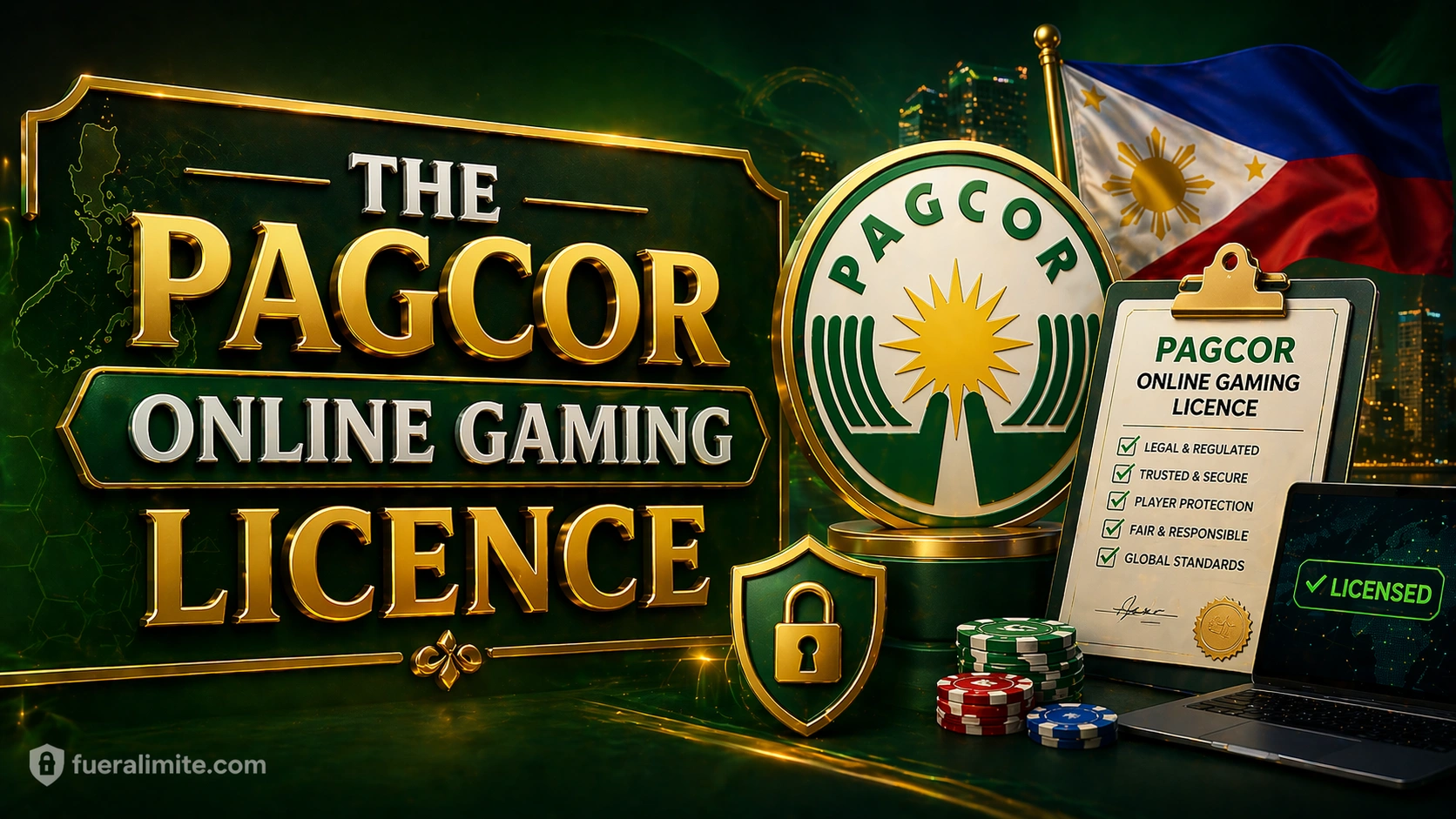
The PAGCOR online gaming license operates through several distinct categories, each covering different types of gambling operations. Understanding which category an operator holds matters because the requirements, oversight levels, and permitted activities differ between them.
The primary categories relevant to international online casino players are:
PAGCOR licence for offshore gaming operators (POGOs): This was the framework that dominated international online gambling out of the Philippines for many years, allowing offshore operators to accept players primarily from markets outside the Philippines. The POGO framework became politically controversial and underwent significant changes — including effective suspension and wind-down — from 2024 onward under the Marcos administration following concerns about criminal activity and labour issues associated with some POGO operations. By 2026, the POGO framework as it operated in previous years has changed substantially.
PAGCOR licence for interactive gaming (iGaming): This is the framework that emerged to replace or supplement POGOs, covering online casino operators with tighter requirements around beneficial ownership, operational standards, and regulatory compliance. The PAGCOR license online gaming list under this framework includes operators that have gone through more structured vetting than the earlier POGO system.
Provisional and regular licences: PAGCOR issues both provisional licences to operators in the early stage of operations and regular licences to established operators that have met the full requirements. The distinction matters for players — a provisional PAGCOR online casino licence holder is still being evaluated, while a regular licence holder has met the complete standard.
How the PAGCOR Licence Compares to Other Major Frameworks
Understanding the PAGCOR gaming license in context requires comparing it to the other frameworks players encounter regularly:
| Aspect | PAGCOR | MGA Malta | UKGC UK | Curaçao (reformed) |
|---|---|---|---|---|
| Regulator type | Government corporation | Government agency | Independent statutory body | Government agency |
| Personnel vetting depth | Moderate | Thorough | Very thorough | Moderate |
| Game certification required | Partial | Mandatory | Mandatory | Partial |
| Player funds segregation | Not consistently mandated | Mandatory | Mandatory (tiered) | Required from 2024 |
| Player complaints process | Formal but limited access | Player Support Unit | ADR system, binding | Developing |
| Enforcement record publicly available | Limited | Published | Fully published | Improving |
| Accessible for European players | Difficult | Good | Good | Limited |
| Crypto gambling coverage | Growing | Partial | Limited | Partial |
The table reflects reality honestly. PAGCOR sits in a middle tier — above the lighter offshore frameworks but below the rigorous European standards of the UKGC and MGA. For players in Asia-Pacific markets, PAGCOR licensed casinos represent a legitimate regulated option. For European players, the practical accessibility of player protections is the meaningful limitation.
The PAGCOR Licence List in 2026: What’s on It and What Isn’t
The PAGCOR license list 2026 reflects the significant changes that have occurred in Philippine gaming regulation over the past two years. The wind-down of the POGO framework removed a substantial number of previously licensed operators from the active list. The replacement iGaming framework has added new operators, but the transition created a period of uncertainty that some operators navigated better than others.
The PAGCOR license online gaming list as of 2026 is publicly available through PAGCOR’s official website and communications. The pagcor license list includes operators across both the transitional framework and the current iGaming structure.
Some characteristics of what currently appears on the list:
- Operators that successfully transitioned from POGO to iGaming frameworks by meeting new requirements
- New entrants to the Philippine regulatory framework under the revised standards
- Regional operators based primarily in Asia with international player acceptance in permitted markets
- Some international operators that hold PAGCOR authorisation alongside licences from other jurisdictions
What’s no longer on it, compared to three or four years ago: a significant number of offshore operators that either chose not to transition, couldn’t meet the new requirements, or were among the operators caught up in the POGO controversy. The list is smaller and in some respects more curated than it was during the peak POGO years.
PAGCOR Licence Verification: How to Check If a Casino’s Claim is Real
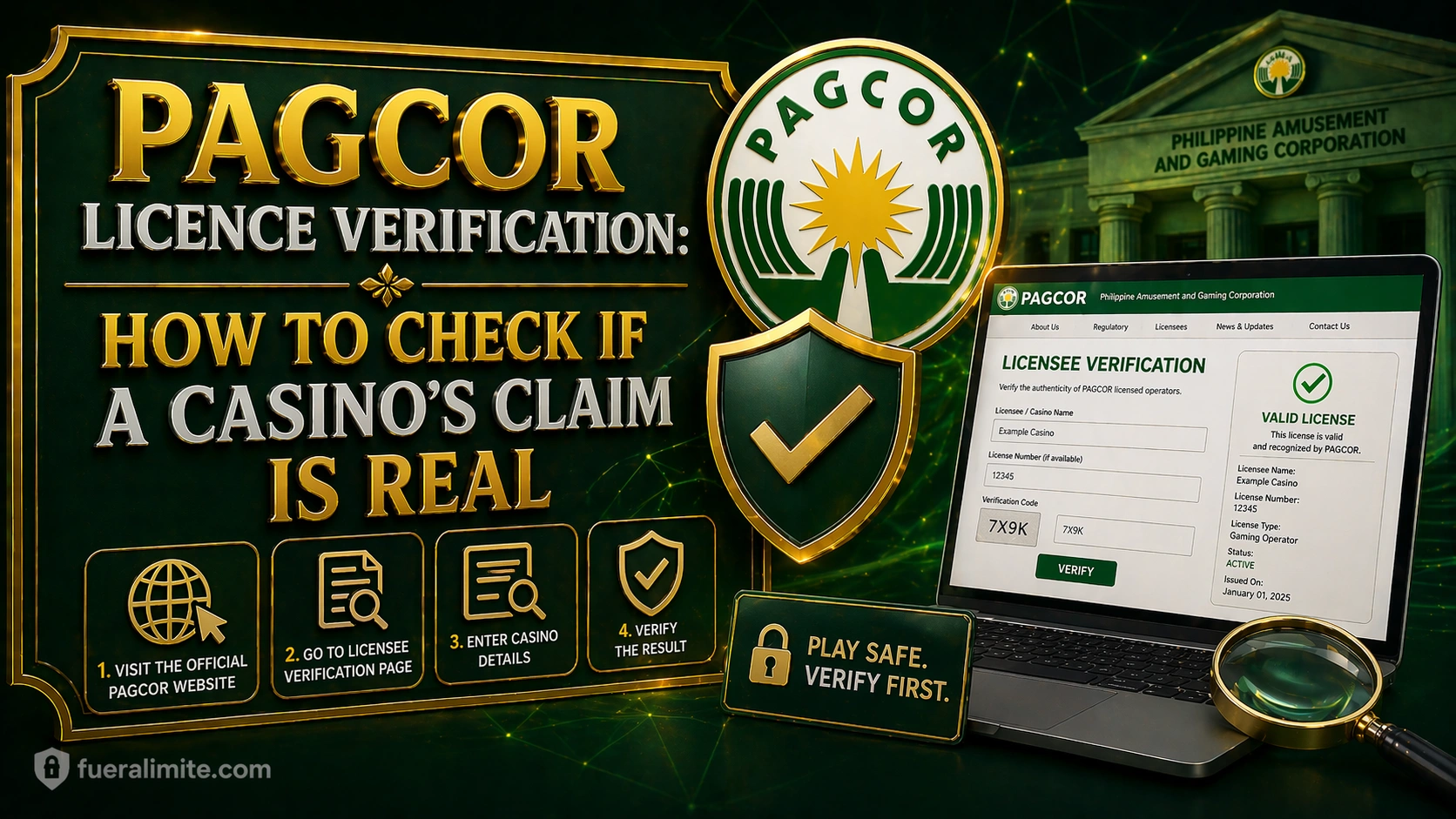
PAGCOR license verification is a step that any player using a casino claiming PAGCOR authorisation should go through before depositing. The process is less streamlined than checking the UKGC or MGA registers, but it’s achievable.
The primary method for PAGCOR license check is through the official PAGCOR website at pagcor.ph. The site publishes information about licensed operators, though the interface and accessibility of this information has varied over time. Searching for the operator’s company name or licence number in the official listings is the most direct verification route.
The PAGCOR license list philippines — the full listing of authorised online gaming operators — is periodically published and updated. Because the framework has been in transition, versions of this list from 2023 or 2024 may not accurately reflect 2026 status. Confirming against the most current version matters.
Some things to look for when doing a PAGCOR licence check:
- The operator’s legal company name as it appears in their terms and conditions should match the name in the PAGCOR records
- The licence type should match the services offered — an operator claiming to offer casino games should hold a licence category that covers casino operations
- The licence status should be active, not provisional or lapsed
- The licence number displayed in the casino’s footer should correspond to the number in official PAGCOR documentation
If the casino claiming a PAGCOR online casino licence doesn’t provide a verifiable licence number, or if the number doesn’t appear in official PAGCOR records, that discrepancy is worth taking seriously before depositing anything.
Popular PAGCOR Licensed Online Casinos in 2026
The PAGCOR legit online casino landscape in 2026 includes a range of operators serving different market segments. The platforms with the strongest reputations in this space share some common characteristics: multi-year track records of operation, diverse payment method support, multi-jurisdictional licensing where their target markets require it, and documented histories of player payment.
Some of the more established casino PAGCOR operators active in 2026 have roots in the earlier POGO framework and successfully transitioned to the iGaming structure. Others entered the Philippine regulatory framework more recently, attracted by the revised framework’s positioning as a more credible alternative to pure offshore licensing.
What distinguishes the better-regarded PAGCOR online casino operators from those with weaker reputations:
- Multi-year operation under consistent ownership without incidents of mass payment failure or account closures
- Licensing in additional jurisdictions alongside PAGCOR — an MGA or UKGC licence held alongside PAGCOR authorisation is a meaningful positive signal
- Transparent ownership information with identifiable corporate structure
- Payment method diversity including mainstream options that require their own due diligence on the operator
- Responsive customer support with documented resolution of player complaints in independent communities
- Clear responsible gambling tools regardless of whether mandated by PAGCOR specifically

100% first deposit bonus up to £600 + 100 free spins


First deposit bonus 100% up to £500 + 200 Free Spins


Welcome bonus up to 550% + 450 free spins

100% first deposit bonus up to £300 + 150 free spins


First deposit bonus 120% up to £600

100% first deposit bonus up to £500 + 200 free spins
The POGO Transition and What It Means for Players in 2026
Understanding the PAGCOR online gaming license in 2026 requires understanding the POGO transition, because it fundamentally changed the landscape of Philippine-licensed online gambling.
Philippine Offshore Gaming Operators were a licensing category that allowed online gambling companies to operate from the Philippines and accept players from other countries. At their peak, hundreds of POGO licences were active. The framework generated significant revenue for both operators and the Philippine government.
From 2022 onward, the POGO framework came under increasing scrutiny. Concerns included associations between some POGO operations and criminal activity, labour violations involving foreign workers brought to the Philippines to staff operations, and broader questions about the regulatory oversight being applied. The Marcos administration announced the effective abolition of POGOs in 2024, with a transition period that was still playing out through 2025 and into 2026.
For players, this has practical implications. Operators that held POGO licences as their primary regulatory authorisation but haven’t transitioned to the iGaming framework or obtained alternative licensing are now operating in a more uncertain regulatory position. A casino claiming a PAGCOR licence that you can’t verify against 2026 documentation may be relying on documentation from the POGO era that is no longer current.
This is why the PAGCOR license verification step is more important in 2026 than it would have been two or three years ago. The list has changed substantially, and the transition means that historical references to PAGCOR licensing aren’t necessarily reliable indicators of current status.

What PAGCOR Licensing Means Practically for International Players
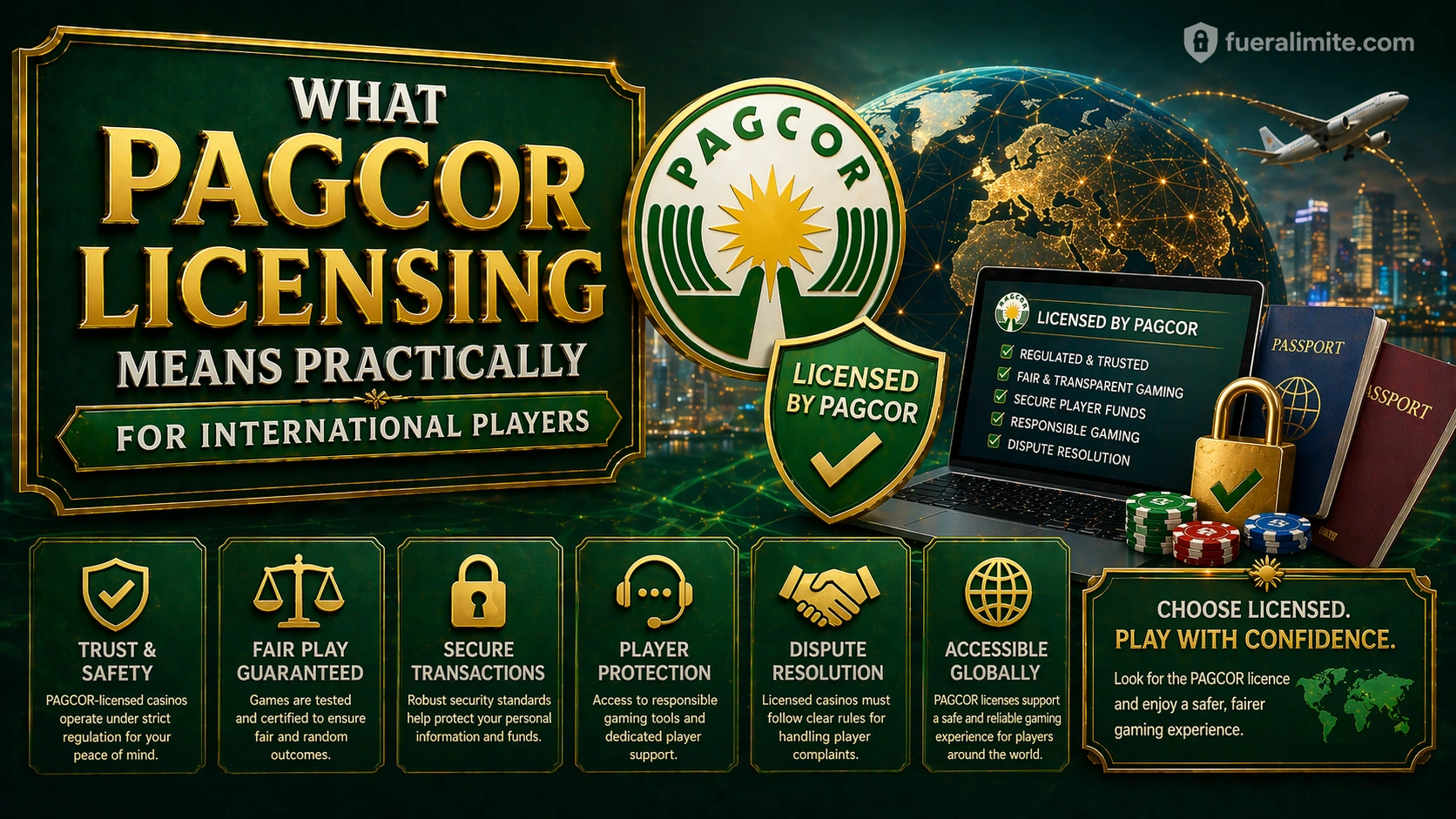
For players based in markets like Spain, Australia, or other parts of Europe and the Asia-Pacific, the practical question is whether a PAGCOR online gaming license provides meaningful protection if something goes wrong.
The honest assessment is that it provides some protection — more than no licence at all — while falling short of what European frameworks like the UKGC or MGA deliver for international players.
On the positive side, PAGCOR is a government body with genuine authority over its licensees. Operators that hold PAGCOR authorisation have gone through a vetting process and have ongoing obligations to the regulator. PAGCOR can investigate complaints, apply pressure on operators, and revoke licences for serious misconduct.
The limitation for international players is practical accessibility. If you have an unresolved dispute with a pagcor license online casino and want to escalate beyond the operator, the PAGCOR complaints process involves engaging with a Philippine government corporation from abroad. The process isn’t designed specifically for international consumer protection in the way the MGA’s Player Support Unit or the UKGC’s ADR scheme are. Response times, outcomes, and the practical ability to enforce resolutions against operators on behalf of foreign players are less reliable than what European regulatory frameworks provide.
What this means in practice: the due diligence burden sits more heavily on the player when dealing with PAGCOR licensed operators than it would with UKGC or MGA licensed platforms. The licence is real, but verifying the specific operator’s track record through independent channels is more important than with regulators that actively publish enforcement activity.
How to Evaluate a PAGCOR Licensed Casino Beyond the Licence
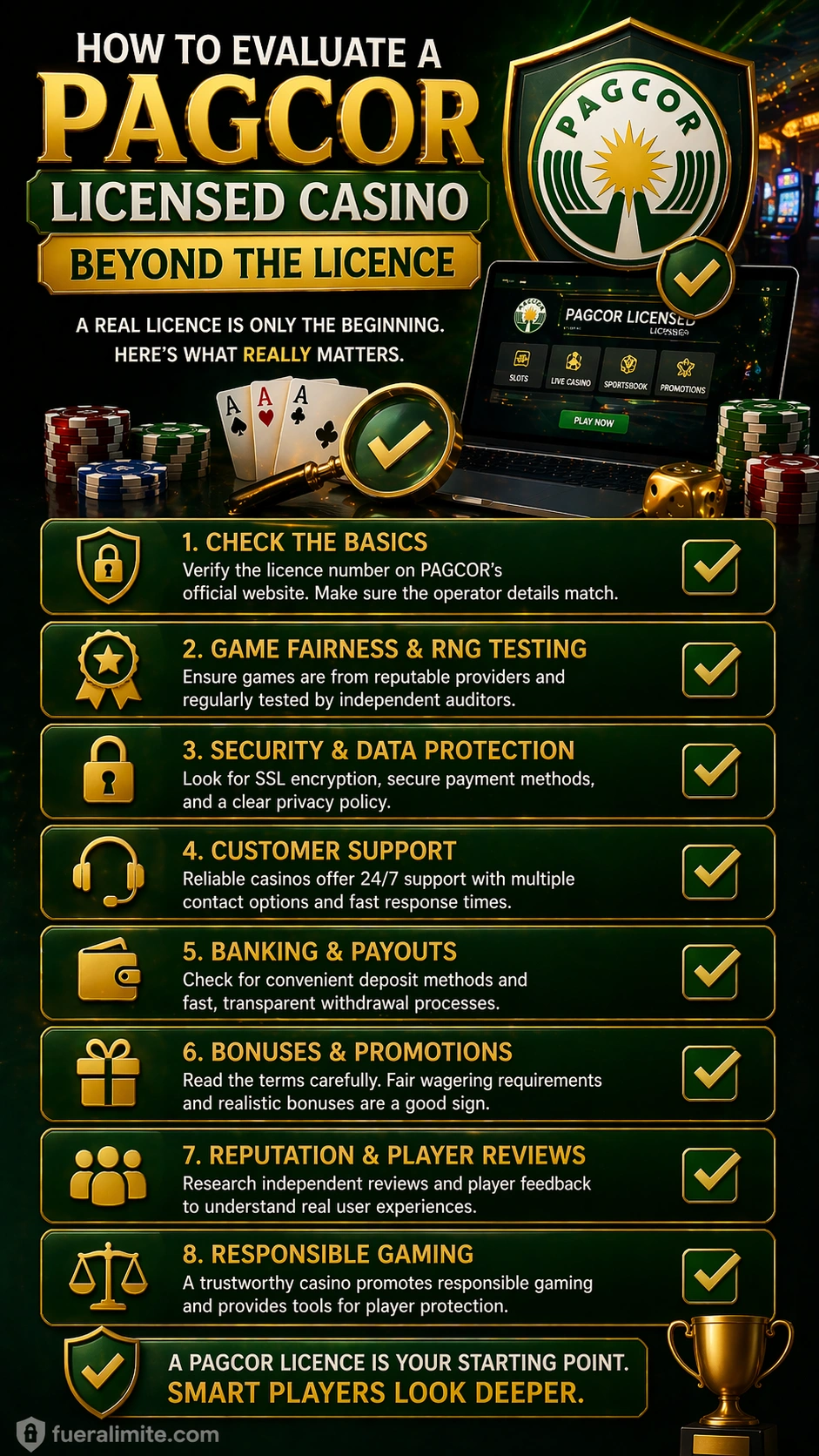
Given that the PAGCOR gaming license provides moderate rather than high levels of independently verified player protection, supplementary evaluation matters. Here’s what experienced players look at when assessing PAGCOR licensed operators:
Track record in independent player communities
Forums where actual players discuss withdrawal experiences, account management issues, and support quality are more informative than any review site with commercial arrangements. A PAGCOR online casino with five years of consistent payment history documented in independent communities is a fundamentally different proposition from a recently launched operator with no track record.
Multi-jurisdictional licensing
An operator that holds PAGCOR authorisation alongside an MGA or UKGC licence has voluntarily subjected itself to higher regulatory standards for specific markets. That’s a meaningful positive indicator. It suggests the operator is serious enough about compliance to invest in demanding licensing processes beyond the more accessible PAGCOR framework.
Payment method acceptance
Mainstream payment processors conduct their own due diligence on gambling operators they work with. A PAGCOR licensed casino that accepts Visa, Mastercard, PayPal, and established e-wallets has been approved by those processors’ compliance teams — an additional layer of indirect vetting. Platforms that accept only cryptocurrency or obscure payment methods may have been declined by mainstream processors for reasons worth knowing.
Withdrawal time documentation
The most direct indicator of operator reliability is whether players consistently receive their withdrawals in reasonable timeframes. This information exists in player forums, review platforms, and community discussions. Before depositing at any PAGCOR online casino, ten minutes of research on withdrawal experience specifically is time well spent.
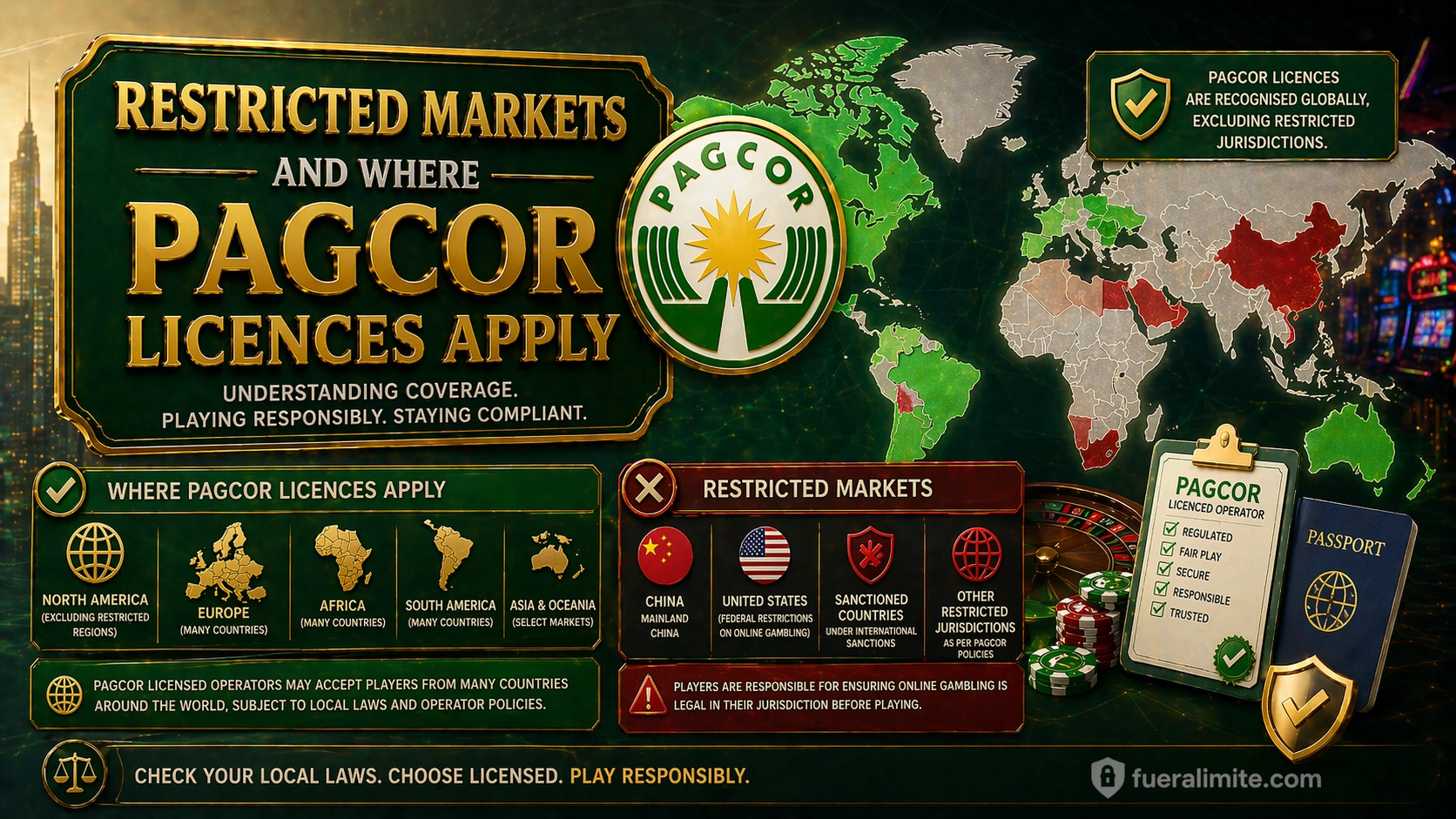
Restricted Markets and Where PAGCOR Licences Apply
The PAGCOR license online gaming framework is primarily designed for offshore operation — accepting players from markets other than the Philippines itself, where PAGCOR regulates gambling differently for domestic consumers.
Most PAGCOR licensed online casinos restrict players from specific markets where local licensing requirements apply. Standard restricted markets typically include:
- United States and territories
- United Kingdom (requires UKGC licence)
- France (requires French regulatory authorisation)
- Australia (regulated at state and federal level)
- Spain (requires DGOJ licence)
- Germany, Netherlands, Sweden, and other EU markets with specific licensing frameworks
For players in Spain specifically, most PAGCOR licensed operators formally exclude Spanish residents in their terms. In practice, some platforms accept Spanish players anyway through limited geo-restriction, but doing so puts the Spanish player in a position where neither the PAGCOR framework nor the DGOJ provides meaningful protection for their account.
The market access picture is most straightforward in Asia-Pacific markets — parts of Southeast Asia, some Pacific island territories, and other regions without specific local licensing requirements. For these players, a PAGCOR online gaming license from a reputable operator represents a legitimate regulated option.
The Future of PAGCOR Licensing: Where It’s Heading
The PAGCOR gaming license framework is in an active period of evolution in 2026. The post-POGO iGaming structure is still relatively new, and the regulatory norms, requirements, and enforcement practices are still being established.
Signals from PAGCOR and the Philippine government suggest several directions of travel:
- Tighter requirements around beneficial ownership transparency, following concerns that some POGO-era operations involved opaque corporate structures
- Stronger AML compliance requirements aligned more closely with international standards
- Greater cooperation with international regulatory bodies as the Philippines tries to improve its standing on global financial transparency assessments
- Possible development of more formal player complaints mechanisms, though this is at an early stage
Whether these developments translate into meaningful improvements in player protection at the level experienced regulators like the UKGC deliver remains to be seen. The direction is positive, but the gap between aspiration and implementation tends to take years to close in regulatory development.
For players evaluating PAGCOR licensed casinos in 2026 and beyond, the practical advice remains the same as for any moderate-tier licence: verify the licence is current, research the specific operator’s track record thoroughly, and don’t rely on the licence alone as a substitute for knowing who you’re playing with.
FAQ
What is PAGCOR and is it a legitimate regulator?
PAGCOR — the Philippine Amusement and Gaming Corporation — is a genuine government body established in 1976. It’s a legitimate regulatory authority that issues real licences to online gaming operators. The question isn’t whether it’s legitimate, but what level of player protection its licences actually provide compared to more demanding European regulators.
How do I do a PAGCOR licence check on a specific casino?
Visit the official PAGCOR website at pagcor.ph and look for the licensed operator listings. Search by the casino’s company name or licence number. Given the post-POGO transition, ensure you’re checking against 2026 documentation rather than older licence lists that may not reflect current status.
Is a PAGCOR gaming licence as good as an MGA or UKGC licence?
No, and it’s worth being direct about this. PAGCOR provides moderate levels of regulatory oversight. The MGA and UKGC have more rigorous vetting processes, mandatory game certification, stronger player fund protections, and more accessible complaints mechanisms for international players. PAGCOR sits in a middle tier — better than lighter offshore frameworks, less comprehensive than European tier-1 regulation.
Can I play at PAGCOR licensed casinos from Spain?
Spain is on the restricted countries list for most PAGCOR licensed operators, as the Spanish DGOJ requires its own separate licence. Some operators accept Spanish players regardless, but doing so means operating outside their own licence terms, and Spanish players have no DGOJ protection. It’s a situation that puts the player in a regulatory gap.
What happened to POGO licences and are they still valid?
The POGO framework was effectively wound down by the Philippine government from 2024. Operators that held POGO licences and haven’t transitioned to the iGaming framework or obtained alternative licensing are no longer operating under current PAGCOR authorisation. A casino claiming a PAGCOR licence should be verified against current 2026 documentation, not assumed to be current based on older references.
How can I tell if a PAGCOR licensed casino is trustworthy?
Beyond verifying the licence is current, look at: how long the operator has been running under consistent ownership, what independent player communities say about their withdrawal experience, whether they hold additional licences from more demanding jurisdictions, what payment methods they accept, and whether their ownership and corporate structure is transparent.
Does PAGCOR have a complaints process for international players?
PAGCOR does have a formal complaints mechanism, but it’s not specifically designed for international consumer protection in the way the UKGC’s ADR scheme or the MGA’s Player Support Unit are. Accessing it effectively from outside the Philippines is more difficult, and outcomes for international players are less predictable than through European regulatory frameworks.
Are there PAGCOR licensed casinos that also hold European licences?
Yes. Some operators hold PAGCOR authorisation alongside MGA, UKGC, or other European licences to serve different markets. This combination is generally a positive signal — it suggests the operator has voluntarily met higher standards for European market access while maintaining PAGCOR authorisation for Asian markets.